МЛН

Articles by "plunderphonics"
'90s shows @shampooty 100 gecs 101 Things To Do With Your Modem 1080p 1969 1990s 20 is the new 40 2000s fashion 2012 2013 2013: Appropriating a 2013 2014 24 3D Animation 3D Cool World 5.4 A Guide to Buying Haunted Items A. G. Cook A.I. aaron carnes Abelton Abner Jay abstract art absurdism acoustic action action figures Ad Hoc Adam Harper adolescence Adult Swim Adventure Time advertisements advertising aesthetic aesthetics Afterschool Specials AI art Alain Delorme Alan Vega album art alcohol Alejandro Jodorowsky Alexandra Rowland Alissa Timoshinka Alt Space altered states alvin & the chipmunks ambient American Apparel analyses analysis Andre Ulrych Angelina Jolie Angus MacLise Animal Collective animation Ann Steel Anthony Bourdain Anthony Fantano Anti-art anti-consumerism anti-fashion anti-technology anti-virus software anxiety Apophenia Appropration Aquarium Drunkard aquariums architecture Architecture in Helsinki Architecture of Utopia archive ariel rechtshaid Army of Trolls art Art Bears art installation art museum articles artificial intelligence artist artists ASMR Astral Weeks Austin Psych Fest 2013 auteur authenticity Autonomous Sensory Meridian Response avant garde Avey Tare and Panda Bear b-movies Babette's Feast Baby Blue Baby Cartoon Rhymes bad operation Band People Barf-O-Rama Baroqueikebana Barry Levinson Barstool Sports baseball cards BASEKetball bass guitar bath salts Battle vs Death Battle bbrainz beautimus Begotten believers Ben Butcher Bernard Dumaine Berndnaut Smilde Bertolt Brecht Betamax Plus Bill Doss Bill Murray Billy Childish bio-dynamic biodegradable urn biography biosonic MIDI technology Black Dice Black Flag Blackest Rainbow Records Blackout Blade Runner Blockbuster blog Blow Job: An Extreme Wind Photoseries Blue Velvet Bob Marley Bob Ross Bongwater Boo Boo books bootleg toys Bradford Cox brain tingles brains Brand New Wayo Brian Brian Eno Britt Brown Brittany Murphy Broadened Horizons: The Ultimate Shit List Bruce Goff Bruce Nauman Brushy Brushy Brutalist Architecture Bubblegum Bass Bubbly Bulbasaur Building the Bridge Burger bus stops butterfly Cadillacs and Dinosaurs Can cannabis cap_able career motivated Carl Sagan Cartoon Network Casino Night catbite Censorship chandelier Charles Grodin Charles Thomson Charlie Brown Cheddar Goblin children children's books Chillwave chopped & screwed chris cutler Chris Jordan Chris Maggio Chris Marker Christopher Columbus Christopher Reimer Christopher S. Hyatt Christopher White Chrysta Bell Church of the SubGenius cinema click and point games clothes Clothes of the year 2050 Clouds Coci Cocteau Twins Cody Meirick collaboration collage collage art Collateral Damage collections collectors items comedy albums comedy films comedy music comfort tv comic books communication Comus condition consciousness consumerism content drift conversations cooking cookwear copyright cosmic jazz costumes cottagecore cover band Cradle of Filth Crass creepy criticism Crock Pots crown shyness cult films cult movies cultural movements culture Culture Jamming Cyber Secrets #3 Dada Daevid Allen Dallas Observer Damien Hirst Damo Suzuki Dan Lam Daniel London Daniel Lopatin Danni Filth Danzig dark database Dave Allen David Bowie David Henry David Lowery David Lynch David Toro David Zucker Dean Ween Dean Zeus Colman December Decimus 4 decline Definition of Hunk Dennis Flemion dental calendar Derek Guy design Destroy All Monsters Detachment and the Spiritual Life Diane Cluck dick jokes dieworkwear digital art Digital DIY Labels digital trends Dimensions of Dialogue Dimitri Tsykalov Diplo director directory DIS Magazine disco Discogs Discordianism discussions distaste DIY DJ Dog Dick DJ Evangelion Fan Theory DJ Warlord documentaries dolphins Donka Doka Dope Diglett Dopesmoker Doug Ferguson Douglas Hill Dr. John drawing Drinkfy drone drone music drugs Duane Pitre dub Dudeism Duppy Gun Dustin Wong Dux Content DVD dysmorphia dystopia Earth Eartheater eBay echo chamber edible fixtures eichlers electronic music electronica Eleh elevators Éliane Radigue Elias Mehringe Elizabeth Hart ELO Emily White emo fashion Energy Entourage Ephermeral Work Eric Copeland Eric Lumbleau esoterica essays etienne conod Eurock Evan Prosofsky events Excepter exercises exhibition experimental experimental cuisine experimental music eyesight fake movies fake toys fake tv shows Family Fan Fiction Fandom Music fashion fast food FDA feature films Felicita Felicity fellatio fiction film film reviews films fire place glass Fire-Toolz Fishing Floating Flying Spaghetti Monster Foetus FoFoFadi food food porn Ford Four American Composers: Robert Ashley France Frankie Valli and the Four Seasons Franz Nicolay Frasurbane fraud Fred Camper Freddy Got Fingered free Free Blockbuster free jazz Frutiger Aero Fun Boy Three furniture future pop gadgets gallery Gang of Four Gen Z Generation Y Generation Yawn Genesis P-Orridge genre George Harrison George Plimpton Germany GFOTY Ghost Capital Ghost Modernism Ghostcapital III ghosts Ginny Arnell Giorgio Moroder Glenn Branca Global Village Coffeehouse golden retrievers Gong Goosebumps (TV series) Gorilla vs Bear Goth graphic design grooming Groundhog Day Gruff Rhys Guest Mix Guest Mixes guide guides Guillermo del Toro guitar tunings gummy bears Guo Yi-Hun Guru Guru Gustav Holst GVC hacker culture Hackers hacking Haircut Halloween halloween mix hallucinatory hallucinogens therapy handcrafted objects Hannah Diamond Happiness Harmony Korine harry sword Harvey Milk Hausu Mountain healing HEALTH health & fitness Health Goth hearing loss Hella Hellraiser Hem Sandwich Henry and Glenn Forever Henry Cow Henry Darger Henry Rollins Hippos in Tanks hipster culture hipsters Holger Czukay Holly Herndon holograms Holotropic Breathwork holy fuck Holy Warbles Home Alone homes Homestuck hope hopepunk horror horror movies household objects How to Have a Zen Attitude How to Keep Healthy httpster humaity humanities humor Hung I-chen Hunk Hunk uniform (loosely) hyper connectivity hyperreal Hyperreality I Have No Idea What I'm Doing Iasos ice cream identity Idrissa Diop and Cheikh Tidane Tall Igor Wakhevitch Illuminated Paths Ima Read imagination Important Records independent movies indie fashion indie rock indie sleaze industry news Infectious Disease Balls ink inspiration inspirato Instagram installations interior design internet Internet Archive internet art interviews intoxicants IRL Glasses irony it is most definitely art Ivan Cash Iván Diaz Math J Henry Fair J.J. Abrams Jabberwocky Jack Black Jack Long James Blackshaw James Bridle James Ferraro James Wines Jan Svankmajer Japanese Bug Fights Japanoise Jared Davis Jeff Bridges jeff rosenstock jer Jessica Chen Jessica Ekomane Jif Peanut Butter Jimmy Buffett John Brien John Carpenter John Fell Ryan John Hamblin John Lurie John Lytle Wilson John Maus John McAfee John Olson Johnny Lee Miller Journal of Nervous and Mental Disease Julian Cope Julian Koster Julien Pacaud junk food Junk Food Dinner Kane West Kazumasa Nagai Keippah Kelly Reichardt Keri Russell Kevin Ayers Kevin Champeny Khelifi Ahmed Kickstarter Kids Incorporated Kids Toys Adult Issues kill lincoln Kim Laughton King Frog KinoVino Kiyohiko Senba and The Haniwa All-Stars Kleenex Knitting clock Krautrock Krautrocksampler Kria Brekkan Kurt Loder L.A. La Croix LA Vampires Land art Lauren Boyle law of attraction layout Les Claypool Lester Bangs Life Begins at the End of Your Comfort Zone Life During Wartime lifestyle lilangelboi Lindsay Cooper liner notes linguistics link rot Lipgloss Twins lists literature Little Dolls live reviews live streaming LL Cool J lockdown Lol Coxhill London Longest Recorded Echo Lou Reed Lou Reed: Caught Between the Twisted Stars Love (sculpture) LSA LSD Luca Yupanqui Lucie Thomas Lucky Me Luke Wilson Lumen Lydia Lunch M. Geddes Gengras M. Sage Macauly Culkin Macintosh Plus magazines Magic and Superstition magic mushrooms maintenance art Majestic Casual Malcolm McLaren Malcolm Rebennack Male Chef Mandy Manicure Records manifesto Manifesto For Maintenance Art mannequins manz Marco Roso marijuana marine life Mark Prindle Mark Schultz Martin Short Mary Steenburgen masterpieces Matt Farley Matt Furie Matthew Lutz-Kinoy Matthew McConaughey Max Headroom Max Payne 3 Maya Land Mayan Apocalypse McDonald's MDMA Mean Clown Welcome Meat Clothing media media culture Meditation memes Men Without Hats Meow Wolf merchandise Metal Machine Music Mica Hendrix Michael Gambon Michael Nesmith MIDI Midjourney Mike Hughes Mike Kelly mike park mike sosinski Mike Stoklasa Mindfuck mindfulness Minecraft Miracle Legion miscellaneous Mist Mister Mellow Mix Mixes mixtapes modern music analysis modernism Molecular Gastronomy molly Monkees monkeys monoskop Moon Glyph Moth Cock movements Movie Promotional Merch Unlimited movies movments Mr. Impossible Mr. T Mr. Tinglemittens Mrs Doubtfire Mukqs Mulholland Drive murder music music charts music community music critic music criticism music downloads music journalisim music journalism music marketplace music software music videos music websites Music with Roots in the Aether: Robert Ashley musicians mustard plug Mutant Sounds My Bloody Valentine My Little Pony My Mother's Brisket & Other Love Songs my sharona Myles Byrne-Dunhill NASA natural Natural Materials & Structures: Trend Analysis nature Nautipuss negative influencer neon lights Nest HQ Nestflix new age music New Mexico New York Times news Nickelodeon Nicklas Hultman Nicolas Cage Nicolás Romero Escalada Nicole McLaughlin Nightcore Nightcorey Nimbus Njena Reddd Foxxx No Use for a Name No Wave No-Neck Blues Band noise NOP Nora Ephron Nordstrom Cafe Normcore nostalgia Not Not Fun Not The New York Times NOWNESS NPR Nu Twee nudity Nurse With Wound Nurse With Wound List NY NYC HELL 3:00 OBEY obituaries Obvious Plant ocean oddball music Oingo Boingo Old Joy Oliver Rowe Olivia Newton John Oneohtrix Point Never Online Underground Op Art optical illusion optimism Organ Armani Ornette Coleman outsider art P.T. Anderson Pacific Rim packaging paint paint flowers painting Painting With John paintings pandemic pandora's box Panos Cosmatos paranormal activity paranormal objects parody Party Pills pastoral Pat Murano Pat Pollari Pataphysics Paul Reubens Pauline Oliveros PC Music peace pedalstare Pee-Wee Herman Penny Rimbaud Pepper Mill Rondo perception shifts Perfect Lives performance art Perma personal growth Pete Swanson Peter Shumann Ph.D. Phil Connors philosophy phonebook Phonocut photography pig-snails Pilgrim Simon Pitchfork pizza planetary chocolates plates Plonk art Plop art Plug.DJ plunderphonics podcasts Pokecrew Pokemon Polaris Polluted Water Popsicles Pollution PON STOP NOP Poolside Radio poop pop art pop culture popcorn_10 popsicles poptimism porn post-internet posters pranks predictions Primer Procrastination Principle products prog rock Prolaps promo psilocybin psychedelia psychiatry Psychic Ills Psychic TV psychology public art Public Art Fund punk punk cd commercial punk rock puppetry Quasimoto Questlove quotes R Plus 7 R.I.O. Rachel Anna Simon Radio Broadcasts radio stations Randy Gilson Randy Warhol Randyland rastafarianism raw meat Ray Lynch Raymond Pettibon Readful Things Real Love recipes recommended records record label record labels records recycling Red Bull Music Academy Red City Noise reel big fish reggae reincarnated Religion Rem Lezar Remodernism Remote Viewer Repo Man retro reviews Richard Beck Richard Sears Rick Moranis Rick Springfield Ricky Allman Rinse.fm RIO Rob Tyner Robedoor Robert Anton Wilson Robert Ashley Robert Chistgau Robert Greenberg Robert Indiana Robert Smithson Robin Arnott Robin Williams robots rock in opposition Roddy Piper Roger Ebert Roky Erickson Ryan Hemsworth Sally Fields Salvador Dali sampling Santa Fe Sarah Davachi sausage scams scans scary Scary Stories To Tell In The Dark sci-fi science science fiction Scotland Scott Shaw sculpture Seatec Astronomy self improvement self portrait serious? Sesame Street Seth Cohen Seven Figures severance Severed Heads sex sex tapes sexy Shane Caruth Sharkula Sherman Hemsley sherpas shoegaze short films sign offline signs Simpsonwave Site-Specific Art ska ska against racism skateboarding skeptcis skull slackers slang Sleep Slime Cake sludgefest Slyme Records Snoop Dogg Snoop Lion So You'd Like to...Be an Anti-Gen Xer (Part 1) So You'd Like to...Be an Anti-Gen Xer (Part 2) social networks Soloman Chase Sonic Wonderland Sonic Youth Sopa Pipa Sophie sound sound archives sound art soundcloud SoundSelf space space plates Space Trips Spencer Longo SPF420 Spider-Man spirituality spoof sports St. Bernard's Sports Star Trek Star Wars Stephen Colbert Stephen Gammell Stereo Mood Steven Stapleton still life stoner comedies stoner metal stoner movies streaming Stump Subcultures subversive humor Subvertising Suicide summer Sun Araw Sun Ra Sunday is Raining sunglasses sunshine pop surrealism sustainable fashion Swans synesthesia System Focus T.V. Shows Taco Bell Taiwan TALSounds tattoos technology teen drama Television Ten Steps on How to Become a Slacker Terrence Malick thc The 13th Floor Elevators The Adventures of Pete & Pete the angles of comfort The Apples in Stereo The Art Box The B-52s The Baseball Card Vandals The Beach Bum the bear The Big Lebowski The Birthday Party The Black Madonna The Bread and Puppet Theater The Coen Brothers The Congos The Day My Kid Went Punk The Family International The Frogs The Great Puke-off the handmaid's tale The Illuminatus! Trilogy The Incredible String Band The Jetsons The Last Trick The Life Stains The Lounge Lizards The Master The Master Musicians of Joujouka The Music Tapes the new luddites The Now Age The OC The Odd Recommendation The Oh of Pleasure The Olivia Tremor Control The Phoenician Scheme the pitt The Red Shoes The Relative Band The Roots The Shape of Jazz to Come The Shining The Simpsons The Strokes the studio The Sweet Homewreckers The Sylvers The Tubes The Velvet Underground The Wire therapy Theses on Punk They Live Thibault Zimmerman Things Organized Neatly things that would never have happened until they happen This is how NASA wakes up astronauts Thomas Newman Throbbing Gristle Thurston Moore Tinashe tiny hands tips To the Wonder Todd Solondz Tom Green tomato soup Tony Futura Tony Sly Toro y Moi Tox Modell toys Trans Air Records trash Treasure Hunt trees Trevor Cox Trevor Reveur Trey Parker and Matt Stone tribute Trippy Turtle tromp l'oeil Tron tumblr Tupac turntable.fm Tuxedomoon TV TV Operas TV shows Twee Twin Peaks Twitter udi koorman UK underground art underground music unicorn unknown unpublished Unresponsive Design upcycling Upstream Color Urban Dictionary urban legends Urban Outfitters URL shows V/A - West Indies Funk 3 Val Kilmer Van Morrison vaporwave vapourwave vegan Velvet Underground VHS video Video Art video edit video games video rental videos Vince Guaraldi Vine vintage vinyl Vinyl Marketwatch Virtual Reality Wabi-Sabi Want to save your eyes? Change your light bulbs. Warp Records Washed Out Waterpark weapons websites WEDIDIT Weird Al wellness Wendy's Wes Anderson WFMU What Makes A Bad Movie Enjoyable? WHTEBKGRND wifislilangel Wikipedia Wild Man Fishcher Will Oldham Williams Street Winston Riley Wolf Eyes Women Woods Y2K Yellow Swans youth culture youtube YouTube Poop Zebra Katz zen Zen Filmmaking Zim & Zou Zin-Say Zonal Zoom Lens
Showing posts with label plunderphonics. Show all posts

The New DIY

A list by StuffRodHeardAfterAugust

Categories: Obscure

Q: How much can you sample something before it becomes theft?
A: Who cares?
Terms such as DIY and Indie were created in relation to art to describe a new wave 
of art made by people on their own budget. 
They were developed as groupings for music released only via the creation of personal 
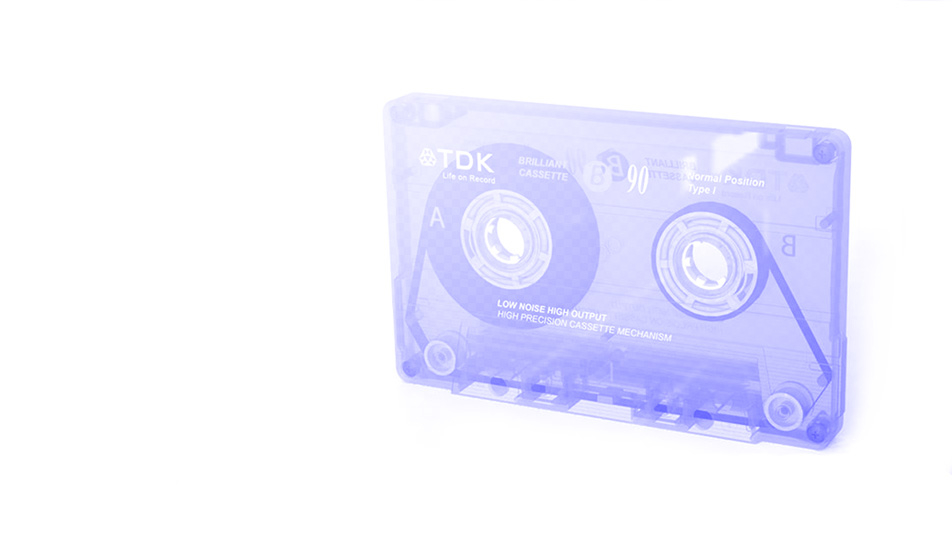
music recording devices, thanks to home cassette technology.
As time went on, both terms were slowly converted from vague blankets into specific genres. 
The most abstract you'll get with records under the term "DIY" is some industrial noise once 
in a while. 
Other than that, the term is used mostly to describe indie pop records that sound on the verge 
of studio quality, yet still technically fall under the Indie and DIY terminology.
However, since the term DIY's inception, the rise of personal computers and programs such as 
Audacity and Ableton, along with websites such as Soundcloud and Bandcamp, has allowed a 
new revolution of people to release whatever they want, whenever they want.
This list will be highlighting some obscure, boundary pushing records released 
thanks to this 2nd wave of DIY music technology. Many records on this list fit into 
subgenres all their own, often charging little to no money for the releases.
Links will be provided, along with what I can guess the artist would classify their releases as.


Eric Taxxon

Trickle Down (2016)

Post Audacity 
https://erictaxxon.bandcamp.com/album/trickle-down

空隙 [Void]

golf (2015) [EP]

Golfonomic Vibrations 
https://voidvoid.bandcamp.com/album/golf

Itea

The Cold Hands of Sisyphus (2016) [EP]

Electronic Field Recordings 
https://itea.bandcamp.com/album/the-cold-hands-of-sisyphus

Agent Slimepunk

Paradise Shores (2015) [EP]

Stolen Paradise 
https://swampcircle.bandcamp.com/album/paradise-shores-sw-067


Dynooo

I Feel Like Playing Sim City Straight From the Floppy and Run a Tornado All Over My Perfectly 
Functioning Town After I Put the Fire Department Way Too Far So They Wont Be Able to Help 
My Sim City People (2011) [EP]

Scratched CDub Techno 
https://surfkill.bandcamp....elp-my-sim-city

夕方の犬(U ・ェ・)

ʕ•̫͡•ʕ•̫͡•ʔ•̫͡•ʔ•̫͡•ʕ•̫͡•ʔ•̫͡•ʕ•̫͡•ʕ•̫͡•ʔ•̫͡•ʔ•̫͡•ʕ•̫͡•ʔ•̫͡•ʔ♡ (2015) [EP]

Contemporary Rhythm & Bliss 
https://ctatsu.bandcamp.com/album/-

Fuuka ASMR

Squishy Moments (2016) [EP]

Post-Nightcore Pulsation 
https://hrrecordings.bandcamp.com/album/squishy-moments

Metallic Ghosts

The City of Ableton (2013) [EP]

Skin City 
https://fortune500.bandcamp.com/album/the-city-of-ableton

Diamond Black Hearted Boy

zᵉʳº (2013)

Zero 
https://diamondblackheartedboy.bandcamp.com/album/z

░▒▓新しいデラックスライフ▓▒░

▣世界から解放され▣ (2012) [EP]

Broken Lifestyle 
https://internetclub.bandcamp.com/album/-

точка мировой торговли частотных модуляций [tochka mirovoy torgovli chatotnyh modulyatsyi]

мои корабли отходят утром ровно в пять утра (2016)

Commie-Vapor 
https://vk250.bandcamp.com/album/--7

HexagonUnit Group International

Save the Rainforest (2016) [EP]

AntiMidi Improv 
https://commercialdreamslt...-the-rainforest

☆♀☆♀STAR GIRL☆♀☆♀


░▒▓RNBW▓▒░ (2015) [EP]

Kawaiinoise 
https://negativeplus.bandcamp.com/album/--3

Ed Asner, Secretary of Defense

Land of Sunshine ☁ State of Dreams ☀ (2014)

Educational Plunderbient 
https://dmttapes.bandcamp....-dreams-dmt-003

More ?Sugar

Hi​!​! (2016) [EP]

NRG-Repetitions 
https://pedicurerecords.bandcamp.com/album/pd033-hi-ep

NYKDLN

Hot Wheels Race Track or: How I Learned to Stop Over​-​Analyzing and Love Myself (2013)

Back of Mom's Car 
https://illuminatedpaths.b...and-love-myself

suggested by: dropthesocram

ZONΞ ΞATΞR

Triangle Island (2015) [EP]

Grinderphonics 
https://zone-eater.bandcamp.com/

SLOW LOGAN

░▒▓理由のためにここにいます▓▒░ (2016) [EP]

Hypnagogic Slop 
https://letstalkfigures.bandcamp.com/album/slow-logan

Hantasi

Secret Garden (2013)

Mt. Silver Drone 
https://hantasi.bandcamp.com/album/secret-garden

Agnostic Asylum / Ernula x Cuilan

Immaturely made new and young all your life, followed by death (2011)

The Future Turns On and Off Metal Cock and Ball 
http://www.mediafire.com/?3244cvrpl7325g4

Miklak

pv zk pv pv zk pv zk kz zk pv pv pv zk pv zk zk pzk pzk pvzkpkzvpvzk kkkkkk bsch (2010) [EP]

Googlecore 
https://www.youtube.com/watch?v=ggG5LIFNDWA

Augusto Piccinini

xmas_album (2015)

Chrismas 
https://augustopiccinini.bandcamp.com/album/xmas-album

◂☆▸

☆☆SUPERSTAR星座☆☆ (2016)

Eccodeath 
https://systemstar.bandcamp.com/album/superstar

Meme Vivaldi

KOSMOS 無為 MIX (2014)

Gunge Classical 
https://illuminatedpaths.bandcamp.com/album/kosmos-mix

TRANCE.BIZ

SUNLESS (2015)

Ambiexestential Crisis 
https://ailanthusrecordings.bandcamp.com/album/sunless

David Kanaga

Operaism (2017)

Hedonist Dog Opera 
https://orangemilkrecords.bandcamp.com/album/operaism

မိန်းမတပိုင်းငါးတပိုင်းအံသွား

ဧဝံဂေလိတရားကိုလှိုင်း (2017) [EP]

Cry4Help 
https://andtime.bandcamp.com/album/--5

chris†††

Social Justice Whatever (2017)

Harsh Noise 
https://christtt.bandcamp.com/album/social-justice-whatever

Looking Through Sheets

ghosts again (2016) [EP]

Jingle to the Void 
https://lookingthroughshee...s-t-s-a-g-a-i-
 

I Know Who You Are and You Are Nothing

Gold Star    (2016)

Celluloid Age Pop 
https://ikwyaayan.bandcamp.com/album/gold-star


 umbrellasquad

i need a hacker to help me put a virus on my company pos     (2015)

 Nightsore  https://knobcreek.bandcamp...-my-company-pos

The Online Underground: A New Kind Of Punk?


In this extended feature, Adam Harper explains how a new generation of artists and labels are reshaping the idea of what it means to make and release electronic music. Ring
How many times has the concept of punk been redefined? Far too many to count, and besides, no one seems to want to label music any more. Even in the early '90s, barely 15 years into its life, the definition of punk had been broadened and warped in surprising directions—punk could mean naive pop, heavy metal in the charts, or even doing something yourself, whatever that might be. In a new music culture where guitars have been replaced by cracked copies of Ableton, bands have been replaced by anonymous individuals with SoundCloud accounts, and where rock as such hasn't really been on the underground agenda for years, what significance does punk still have?

But the concept refuses to die. Take Zoom Lens, just one of many labels that have started up online in recent years. It was founded by young Californians, and offers a range of delicate synthesiser-pop styles with a Japanese influence. The label has this to say on its Bandcamp page: "WE ARE A LABEL AND COLLECTIVE OF MUSICIANS. HUMANITY ACROSS THE DIGITAL DIVIDE. DIGITAL PUNK ROCK SPIRIT. FUCK REAL LIFE."

By the 1970s, what made punk particularly possible as a wave—a musical generation, even—was the technologically lowered threshold of performing, recording and spreading the word. A large, networked and self-aware shadow music industry could be set up, and by the mid-'80s it was widely being called indie. Today this is happening as the latest phase in an ongoing process of technological-musical empowerment, with the vast migration of independent music online, much of it at the hands of a generation that hardly remembers a time before Web 2.0. The modern disconsolate teenager—"punk," if you like—has powers of production and distribution that her '70s counterparts could hardly dream of, conceivably reaching an audience of billions with tools that would have made the top studio engineers of 30 years ago weep.

And what made punk necessary was a disconnection with the prevailing tastes of society, both musical and beyond. Although the gulf, being expertly filled by niche marketing selling your alternative to you, might not feel quite as dramatic today as it was then, it still exists, and it still drives a search among musicians and listeners for the new and the different. It fuels a desire to create something weird. Whether making club sounds, experimental music or anything else, the modern punk has a new forum that spans the digital divide and sidesteps the filtration mechanisms of taste and its distribution networks: the online underground.

The online underground is not much like rock in London or New York in the '70s. But it can look rather like punk in three ways: the self-releasing revolution, the provocative aesthetics and the rise of a new generation. In each of these areas, the processes and problems of the online underground were those of the punk underground in the late 20th century. Building a musical culture on SoundCloud, Bandcamp and Facebook might seem new and strange (if only due to the technology involved) or—more negatively—unimportant or a sign of decline, but these paradigm shifts have happened to the underground before, and they hint at the opportunities and difficulties of the current situation.
Iphone Punk

The engagement of more established organs of underground music with the online underground has been sporadic. Firstly, you won't find the music of the online underground in record shops—even online ones. In essence, it has no channels of distribution other than the web, and artists and labels set that presence up themselves. A great many artists' web pages will sell you vinyl or cassettes, and perhaps many of them would prefer to find success through the old-fashioned channels, which still carry a good deal of prestige. Some labels could be described as primarily physical labels that simply use Bandcamp or Big Cartel as a storefront—cassette labels, for example, perpetuate online in much the same way they have done since the early '80s, and frequently offer the same niche sorts of noise music they did decades earlier. Others pages belong to established acts (such as Jim O'RourkeIllogic or R Stevie Moore) or labels (SoftwareRVNG. Intl.) and serve as an easy and centralised way of controlling a catalogue. In fact, for at least a decade, physical underground music has been shadowed online by mp3 rips on blogs and file-sharing out of convenience, even with lo-fi and analogue warmth being as popular as ever.

The analogue retroism of recent years, which may once have been a bulwark against the oncoming digital technocracy, is now buckling under the sheer pressure of the ease and ubiquity offered by the latter. It can no longer be fought through countercultural romanticism—not using the internet is as good as not breathing—and now artists are going with the flow, especially those who have no nostalgia for the older ways. When it comes to physical media, plenty of younger, emerging artists are somewhere between not having the means to produce or buy it, not being bothered to, and actively shunning the fetishism of music's objectified tokens. It takes up space, it costs a lot, it's a bit retro. Lots of people go further and don't even charge for downloads, their wares existing entirely as free-flowing files and code. Labels and artists like these are fringes of the furthest reaches of what could be called a professional music industry.

Which is also why the online underground doesn't often appear in magazines, though this is quickly changing. The online underground don't send press releases to decades-old music magazines and websites (maybe some of them would if they thought it would have an effect), or maybe they get in touch with writers and editors informally over social media. But for lots of artists and labels, they don't have to, since Bandcamp, SoundCloud and Facebook can spread the word for them, racking up thousands of plays or purchases before some magazines have looked up from their announcements of some canonical name's tenth album. This, by the way, could change the nature of music journalism. Instead of having to crank the handle of a music-industry mincer with news, reviews and interviews, music magazines might go out into the wilds of online music making in search of new, unknown and interesting material and find meaningful things to say about it.

Of course, this isn't the first time that self-releasing en masse has had an impact on new underground music. Back in the early '80s, the rise of the home-recorded cassette was welcomed with open arms by both musicians and the music press as the essence of indie creativity unfettered by music-industry intervention. From 1981 NME ran an independents column, Garageland, that almost always featured homemade cassettes, sometimes exclusively. Cassette reviews were given even more space in US magazines like OpOption and Sound Choice. But eventually the DIY cassette bubble burst. Idealistic magazines promising to review any tape sent in whatever the genre were soon drowned in awful garage rockers and avant-garde knob-twiddlers looking for their 15 minutes. Some writers ultimately couldn't stomach the lesser sound quality. Then when indie and alternative rock began to gather steam—on vinyl —the "cassette revolution," as it had been called, was dropped from the music press almost completely and buried in fanzines. In the final Garageland column entry, Paul Morley asked rhetorically, "Does anyone ever send off for those cassettes?"


The music press no longer needs to serve as a directory for amateur music making, because both are almost entirely online now, organised by hyperlink. And apart from the fact that few people seem excited about indie ideology these days—with the notable exception of labels like Zoom Lens—these issues of quality control might be one of the major obstacles to the embracing of the online underground. It would be tempting to think that anyone who (still) uses Bandcamp or SoundCloud is an amateur, a chancer, and that anything worth listening to would already have shown up in your favourite magazine or shop, through the tried and trustworthy channels. There's a tendency, too, to assume that online or free releases, outside the proper context of a label with a pot of cash, have the same subordinate status as a demo or a mixtape. And there are still plenty of musicians who think this way, too. Objective listening can even be negatively tinged because a release is sitting on a website and not in a bag on its way out of a trusted record shop. (I have the opposite problem: seeing a press release or a shrink-wrapped object on a shelf, I fight the feeling that the trail has gone cold, that something has gotten between me and the music.)

There are of course qualitative drawbacks to self-releasing. Artists tend to release before they've hit their stride, they can be discouragingly prolific and impulsive, and they may not know when to edit themselves. And, putting the wilder forms of creative relativism to one side, their work can often suffer from poor technique: dodgy mixing or mastering, for example, or what I call "timestretchmarks." These were all precisely the sorts of problems that '80s indie reviewers complained about when faced with home-recorded cassettes. But the problem lies with what "good music" is, and whether you'd rather have "good" music or new and interesting music. Perhaps for many listeners they're the same thing. But musical invention comes from places that don't have excessive quality control, from accident and necessity rather than pre-conceived ideas of superior technique. "Good music," since it lives and dies through comparison to these pre-established norms, won't suit those hungering for another world.

This is precisely what the old punks thought. So if you look at the music and imagery of the online underground and consider it "bad"—poor quality, unserious, excessive—that might be part of the point. In fact, something particular happened to punk and indie as a result of this effect. Rather than simply rejecting standards of taste in the name of greater imagination, its most notorious strands became the very "bad music" it felt others saw it as being. It flaunted its tastelessness; it dramatized the decline of culture, trolling it. It wore its message in its medium, howling, "Well, with things the way they are, we may as well sound like this." And this is exactly what the most notorious strands of the online underground are doing today, albeit with a different set of cultural reference points. So different, in fact, that it feels like the complete opposite of punk—like the death of punk. And since punk has become the establishment now, sat on Kensington coffee tables as just another episode in the ongoing history of taste, what could be more punk than the death of punk?

As co-manager of the live-streaming platform SPF420, Liz is one of the figures behind a major entity within the online underground. She had this to say about vaporwave, a recently emerged sample-based genre that SPF420 was once known for: "Vaporwave, in my opinion, is our current 'punk scene.' The digital rebels. The ones who 'steal' others' music, just to manipulate it and chop it up a bit. That is so fucking punk... It's like how punk bands only knew how to play power chords. It's brilliant. Vaporwave isn't lazy, and neither is punk. I think that these two genres of music are parallel: short tracks with messages that are very literal, made with minimal intent (for the most part)."

Vaporwave is indeed punk in its crude and minimal quality. In fact, its threshold of participation is dramatically lower than punk rock's was—all you need is some very basic sound software (many use Audacity), some decent source material, a few clicks, and you're there. Vaporwave albums have been pouring onto Bandcamp, filling up labels like Dream Catalogue500Illuminated Paths and Ailanthus.

But ironically, the music vaporwave samples is about as far from classic punk as you can get. It's muzak and adult-contemporary pop of the past 30 years, usually looped and often slowed down a little, generally hankering after a dream-like or idealised impression of urban life. It's none other than the yuppie music indies set themselves so vociferously against with hardcore in the '80s, slacker rock in the '90s and freak folk in the '00s. But like punk, vaporwave can be heard as ambivalently dramatizing the decline of contemporary society as if accelerating it. It's a certain take on "the way things are." Floating somewhere between satire, nostalgia and envy, it bathes in capitalist luxury and gloss, huffing the fumes of advertising, and through the prevalence of signifiers of the early internet suggests a fond yet alienated self-image of the very virtual world it finds itself occupying—kitsch, well-meaning, but inhuman, aimed at someone else, too sublime. Its medium and its message indistinguishable, vaporwave is the online underground looking in the historical mirror.
New Punk

Anyone who believes that underground music should be gritty and artisanal, like classic punk or classic house, is likely to hate vaporwave. But vaporwave is only doing what the cassette underground did in the '80s, and it met similar reactions then. On both sides of the Atlantic, the style that became known as indie was independent music looking in the mirror, becoming self-aware about "the way things are." And that's why it became so popular: people could already understand what the independent music medium meant, since it performed an inverse reflection of the music industry. It seemed more appropriate if music on cassette was naive, childlike, charming in its eccentricities, archaisms and technical flubs, even a bit lethargic, and accompanied by hand-drawn artwork. The C86 bands and their American counterparts, such as Beat Happening and their label K, were emblematic of this during the '80s. Explicitly invoking the spirit of punk rock, they imitated children, played out of time and out of tune as if they didn't know any better. They also shifted back in time a decade and a half, embracing the kitsch of '60s Brill Building pop and rock & roll before it became rock, both in sound and sight. This image of indie music-making became far more influential than that of an avant-garde electronic engineer putting out cassettes, because it sort of made sense that that's what indie would sound like. Just as it sort of makes sense that vaporwave is what the internet would sound like. 
Now, over the past year, one notorious internet label is repeating the history of the naive indie bands and the way they represented a self-image of their creative context and "the way things are" with remarkably similar detail: PC Music. Even in its self-aware name, the London-based PC Music announces itself as a product of the digital age. And again, not just the digital age, but its history—note how outdated the term "PC" seems today. Increasingly filling rooms in London, it's probably the first entirely web-based label to have become a widespread talking point in the music press, and it doesn't even sell music, operating only through a SoundCloud account linked to a dedicated website. Like Beat Happening and the C86 bands, PC Music and its artists—GFOTY, Hannah Diamond, Lipgloss Twins, Dux Content—have been controversially cute, infantile, poppy, kitsch, sentimental, bad taste. Where there seems to be any nostalgia involved in their music, it looks back to dance-pop of the turn of the millennium or early grime—the same time delay the '80s indie bands felt. "Hey QT" is the name of the kitschy pop song that SOPHIE and PC Music's founder A.G. Cook recently collaborated on, meeting cries of outrage from (especially older) music fans. And "cutie," as Simon Reynolds remembered, was a name for the scene of the C86 scene and their twee shenanigans. 

Just like the classic punks, PC Music can be heard as dramatizing the decline of good taste at the hands of modernity, and in 2014 that means noble underground traditions like all that monochrome club/post-club music that rakes reverentially and melancholically through 30 years of analogue production all being displaced by digital decadence, rampant excess and fucking children. PC Music are trolling old ravers, the generation that built the hardcore continuum; they're trolling old punks and their insistence on realism. They're saying, "We might as well sound like this. In a world of gloss and accelerated desire, this is what society made us." And in this regard, they're punks. 

They're not the only ones to adopt this aesthetic, either. DIS magazine, now a key source for the new digital pop art and its accompanying sounds, has the same flavour. The dance label #Feelings has a hashtag in its name, its manager Ben Aqua has releases called Virtual Anticipation and Reset Yourself, and its store sells a t-shirt that reads "NEVER LOG OFF." The signs and connotations of the digital medium are appearing all around online music in the same way that punk wore its gritty origins on its sleeve. 


And if all this digitally aware music feels wantonly crap and infantile to some listeners, I guess that's exactly how the fans of the rock acts that immediately preceded (or perhaps caused) punk felt. Am I suggesting that vaporwave and PC Music ought to be accorded the same respect and legendary status as The Ramones and the Sex Pistols? No. And to point to a Hall Of Fame to justify a recent punk gesture would be to spectacularly miss the point. 

But as any popular-music nerd might tell you, it's not punk itself that's interesting; it's what came after, what it enabled: the creativity and culture that lay in its wake and that transcended leather jackets and safety pins. Punk is a gesture, a scream, but post-punk built new musical worlds. When vaporwave first turned up, it seemed like the latest in a series of increasingly bizarre microgenres to have spun out of '00s hipsterism. But today, vaporwave has countless practitioners, even its own Reddit page, and though someone's always insisting that the fun has been spoilt now, it shows no sign of stopping. But what vaporwave might have done, for maybe hundreds of artists all over the world, is get people started on making music through a radically simple step—in vaporwave's case, sampling. Already, artists like Contact Lens, Saint Pepsi, 회사AUTO and Metallic Ghosts are venturing into new, less sample-based productions; labels like Business Casual 87are trying new sounds; and SPF420, having cut its teeth on vaporwave, is booking online artists of all kinds. One strain seems to merge some of vaporwave's sonic and conceptual world with hi-tech beats, best summed up in tracks by the likes of Drip-133 or Subaeris.  

Of course, not all music in the online underground is vaporwave, or akin to PC Music or #Feelings. These are just those elements within it that have some self-awareness about the digital medium and its cultural connotations, which results in a certain aesthetic (that can be intentional or not, the effect is largely the same). And like the image of indie as naive, it has proved popular because it plays to expectations of the digital, positive and negative. But not all online music is "about" or "because of" the internet or the wider digital world, and the term "online underground" I use doesn't imply any one style or aesthetic, only a mode of distribution. 

Occasionally, however, you see the term "internet music" or "net music," which tends to imply music that is somehow internet-like, conflating it with music that's online, much like the phrase "net art" can imply the internet as a subject matter just as much as a medium. The difference can be seen in the comparison of a website like Rhizome's tumblr(internet or post-internet art) with deviantART (which is just art that happens to be on the internet). To confuse "internet music" with music that is merely online is to confuse, as so many people do, indie music—a rugged, maybe naive rock or pop sound—with independent music—music that is produced away from the major music industry. No kind of music, and certainly no particular kind of "bad music" (poor quality music, naive music, excessive music) flows as a natural consequence of a certain mode of distribution, whether independent or online.  


But like punk did, vaporwave and PC Music hint at the moment of aesthetic self-definition felt by an emerging generation of musicians and fans that have quite different experiences, values and expectations from previous generations of underground music practitioners and fans. Not only do they remain largely unmoved by the need to collect music as an accretion of physical objects, many of them probably don't even have a single batch of mp3s they think of as their music collection. They may have never been to a physical record shop and see no reason to, since such places have, to them, a bit of a dad vibe. They don't have a habit of buying music, but will shell out for something worthwhile. The music they like doesn't appear live or even DJ'd near where they live, and they don't listen to the radio for it, only the odd podcast. They don't tend to read the same magazines or websites as many of us do, and have little sense of a great popular music canon they're obliged to engage with as a right of passage. 

When someone on the vaporwave Reddit assembled a giant chart of the genre to date, they not only misdefined hypnagogic pop, which had been coined by David Keenan in Wire magazine in 2009 when discussing different artists, but consequently neglected scores of physical releases from the pre-online underground that would have been appropriate: releases on Olde English Spelling Bee, Not Not Fun, even Paw Tracks. At best, they must have been oblivious. These are music fans for whom, with a punk-like year-zero effect, the online underground is basically all there is. 

You might conclude that all this spells the death of underground musical culture. But even without the larger-scale economic structures on which musical cultures often rest, the online underground nevertheless has the most important elements necessary for it: passion and community. In a reflection of the way computers and other such devices are designed—for individuals—music making in the emerging online underground tends towards solo artists rather than bands or live events. But labels, as communal and aesthetic focal points, are thriving even without cashflow. Through DIY streaming platforms like SPF420—a kind of lo-fi Boiler Room—this community can put on live events. As the technology improves and becomes more accessible (perhaps through some form of dedicated website), it raises the possibility of widespread, high-quality live gigs taking place throughout the online underground: a live culture to match the high sound quality and easy distribution of recordings through, say, Bandcamp. And if you believe that a community that meets through machines and almost never in real life is no community at all—that might be the generation gap. 


This isn't the end of the story. There's still the matter of who owns the software and hardware on which the online underground runs, and what they want to do with it. SoundCloud, for example, may have lost a few underground friends recently when it announced it was going to host advertising. It seems possible that one day soon, at the behest of the major entertainment industry, sample-detection algorithms might make sampling on any part of the online underground very difficult, and from hip-hop to vaporwave, sampling has been an easy entry into music making. And then, as always, there's the way music making fits into our wider cultural and economic lives—or doesn't. It might not be the case that a Western, urban, capitalist musical culture without a professionalised industry is a greatly impoverished one, but it might. The internet tends to amplify real-world problems as well as level them, and the online underground might only fill up with people who have the time, resources and confidence to make strange music, and those things can be in short supply in places where civilization is measured in terms of "hardworking families." 

But if the online underground is a new kind of punk, it presents some incredible opportunities and, ultimately, no less than a reboot of underground music. Or even beyond that, a reboot of independent music, or of popular music (music made by the people) at large. After decades, punk has become the establishment—so many levels of pop-musical culture are shot through with the realism and hand-made feel it struggled for towards the end of last century, and yet it is sold and mediated as if it was still the place and hallmark of true spontaneous creativity. It isn't any more.

MKRdezign

Contact Form

Name

Email *

Message *

Powered by Blogger.
Javascript DisablePlease Enable Javascript To See All Widget